
 By Car gamessimulatorhub
So, you’re eyeing that pre-loved beauty, or maybe you’ve already driven it off the lot. Congrats! There’s a certain thrill to finding a great deal on a used car, isn’t there? But here’s the thing: while the car itself might be cheaper, understanding car insurance for used cars USA can feel like navigating a maze blindfolded. I’ve seen countless people make costly mistakes, assuming their insurance needs are the same as for a brand-new vehicle. Let me tell you, they’re not always. And getting it wrong can cost you a bundle, or worse, leave you unprotected when you need it most. My goal here? To be your knowledgeable friend, sitting across the coffee table, guiding you through exactly what you need to know, why it matters, and how to get the best deal without compromising safety.
We’re going to dive deep into the nuances, decode the jargon, and equip you with the insights you need. This isn’t just about getting a policy; it’s about getting the right policy for your used car, and saving some serious cash in the process. Ready to become an expert?
The Used Car Insurance Puzzle | What’s Really Different?
You might think, “Insurance is insurance, right?” Not quite, especially when it comes to a used car. The primary difference often boils down to depreciation. New cars lose value the moment they’re driven off the lot, but used cars, especially older models, have already taken that initial hit. This significantly impacts the kind of coverage you might need and, crucially, your used car insurance cost. Let me rephrase that for clarity: the ‘actual cash value’ (ACV) of your used car plays a massive role in how much an insurer will pay out after an accident, and that ACV is often much lower than what you paid for the car just a few years ago.
A common mistake I see people make is carrying full comprehensive and collision coverage on a very old car whose market value is incredibly low. If your vehicle is only worth, say, $3,000, and your annual comprehensive and collision premiums are $800 with a $500 deductible, you’re paying a significant percentage of the car’s value just to insure it against damage. In such cases, the financial sense starts to unravel. We need to consider the age of the car, its mileage, its make and model reliability, and even the availability of parts. All these factors affecting used car insurance contribute to how insurers assess risk and set your premiums.
Another angle to consider is the potential for mechanical breakdowns. While insurance covers accidents, it generally doesn’t cover wear and tear or mechanical failures. This is where the discussion of used car warranty vs insurance becomes critical. They serve entirely different purposes, and confusing them can lead to disappointment. Insurance protects against unforeseen events like accidents, theft, or natural disasters, while a warranty (if you have one) covers specific mechanical repairs. Understanding this distinction is key to setting realistic expectations and budgeting correctly.
Decoding Your Coverage Options | More Than Just Liability
Alright, let’s talk turkey about what kind of coverage you actually need. This is where many people get overwhelmed, but it doesn’t have to be complicated. For any vehicle in the USA, you’ll generally need at leastliability coverage. This is the bare minimum mandated by most states and covers damages you might cause to other people or their property. For a liability for used car, this is non-negotiable.
But what about your car? This is where the decisions get a bit more nuanced:
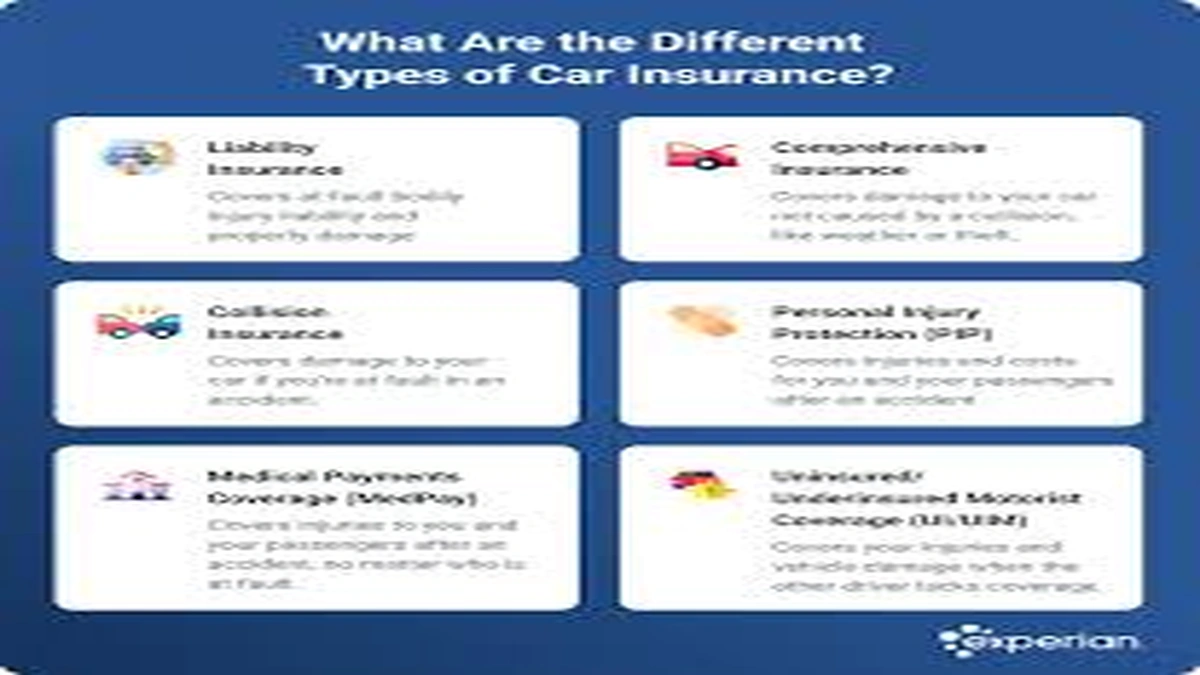
- Collision Coverage: This pays for damage to your own vehicle if you hit another car or object (like a tree or a pole). If your used car is still relatively valuable to you, or if you couldn’t afford to replace it out of pocket, collision coverage is a strong consideration.
- Comprehensive Coverage: This is for everything else that isn’t a collision – theft, vandalism, fire, hail, hitting an animal, etc. Again, if your used car has significant value, or if you live in an area prone to specific risks (like severe weather or high theft rates), this is worth looking into.
- Uninsured/Underinsured Motorist (UM/UIM): This is a lifesaver. It protects you if you’re hit by a driver who either has no insurance or not enough insurance to cover your damages. Given the number of uninsured drivers on the road, I always recommend this, regardless of your car’s age.
- Medical Payments/Personal Injury Protection (PIP): Covers medical expenses for you and your passengers, regardless of fault. The specifics vary widely by state.
The trick with insuring an older car is to balance the cost of these coverages against the car’s actual value. If your car is worth $5,000 and your annual comprehensive and collision premium is $1,000, you might want to reconsider. But if it’s a $15,000 used car, that $1,000 premium might be a smart investment. It’s a personal financial calculation, but one you absolutely must make.
Smart Moves to Slash Your Premiums
Who doesn’t want to save money? Especially on something as essential as insurance. Here are my top tips for finding the cheapest used car insurance without sacrificing critical protection:
- Shop Around, Relentlessly: This is probably the single most effective strategy. Don’t just stick with your current insurer or the first quote you get. Different companies have different algorithms for assessing risk, and what’s cheap for one person might be expensive for another. Use online comparison tools, and don’t be afraid to call agents directly.
- Adjust Your Deductible: A higher deductible (the amount you pay out-of-pocket before insurance kicks in) almost always means lower premiums. Just make sure you can comfortably afford to pay that deductible if you need to file a claim.
- Bundle Your Policies: Insurers love loyalty. If you have homeowners, renters, or even professional indemnity insurance with one company, ask about bundling your auto policy. You could see significant discounts.
- Look for Discounts: Seriously, ask about every discount under the sun. Good driver, defensive driving course, good student, anti-theft devices, low mileage, paying in full, automatic payments, even being a member of certain professional organizations – they all add up!
- Consider Telematics: Many insurers offer devices or apps that monitor your driving habits (speed, braking, mileage). Drive safely, and you could earn substantial discounts.
- Re-evaluate Coverage Annually: Your car’s value continues to depreciate. What made sense two years ago might not make sense today. Regularly review your policy to ensure you’re not over-insuring.
By being proactive and informed, you can significantly reduce your used car insurance rates and keep more money in your pocket.
The Buying Process | Insuring Your New-to-You Ride
You’ve found the perfect used car, shaken hands on the deal, and now you’re ready to drive it home. But wait! You can’t legally drive it without insurance. This is where buying used car insurance online or through an agent during the purchase process becomes crucial. Here’s a quick rundown of how it usually works:
First, get quotes before you even finalize the purchase. You’ll need the Vehicle Identification Number (VIN) of the car you’re planning to buy. This allows insurers to give you accurate quotes based on that specific vehicle’s history, safety ratings, and potential repair costs. Don’t wait until the last minute; you want to make an informed decision.
Once you’ve decided on an insurer and a policy, you can typically get temporary proof of insurance (often called an insurance binder) almost instantly. This allows you to legally drive the car home. Many dealerships will even assist you in this process, ensuring you’re covered before you leave their lot. If you’re buying from a private seller, you’ll need to handle this yourself, often with a quick phone call to your chosen insurer or by completing the process online.
Remember, the goal is seamless transition. You don’t want any gaps in coverage. Even a short lapse can lead to fines, license suspension, or worse, being uninsured in an accident. And while we’re on the topic of life’s transitions, securing your financial future is always smart, whether it’s through auto insurance or other protections liketerm life insurance.
Frequently Asked Questions About Used Car Insurance
What if I forgot my application number when getting a quote?
When getting a quote for car insurance for used cars USA, you usually won’t need an application number. Instead, you’ll need the Vehicle Identification Number (VIN) of the car, your driver’s license number, and some personal details. If you’re referring to an existing policy, contact your insurer directly; they can usually find your details with your name and address.
Is comprehensive coverage worth it for an older used car?
It depends on the car’s current market value and your financial situation. If the cost of comprehensive and collision coverage significantly outweighs what you’d get in a payout (considering your deductible), it might not be worth it. However, if your car still has a good value or you couldn’t easily replace it, it’s often a smart choice. Always compare your premium to the car’s actual cash value.
Can I get a discount for low mileage on my used car?
Absolutely! Many insurance providers offer discounts for low mileage, especially if you don’t commute long distances or only use your used car occasionally. Be sure to ask your insurer about this, and some may even offer telematics programs to track your mileage and driving habits for potential savings.
How quickly can I get insurance for a used car I just bought?
Very quickly! In most cases, you can get an insurance policy and immediate proof of coverage (an insurance binder) within minutes by calling an agent or completing the process online. This allows you to legally drive your new-to-you car home without delay.
Does the age of the used car impact my premium?
Yes, the age of the car is one of the factors affecting used car insurance rates. Older cars generally have lower market values, which can lead to lower premiums for comprehensive and collision coverage. However, they might also be seen as less safe or more expensive to repair depending on the model, which could balance out some of those savings.
The Road Ahead | Drive Confidently
Insuring a used car in the USA isn’t just a legal requirement; it’s a critical financial decision. By understanding the unique aspects of car insurance for used cars USA, from depreciation to smart coverage choices, you’re not just buying a policy – you’re investing in peace of mind. Remember, the goal isn’t just to find any insurance, but the right insurance that offers optimal protection at the best possible price. So, take these insights, apply them, and drive your pre-loved vehicle with confidence, knowing you’ve made smart, informed choices. Happy motoring!