
 By Car gamessimulatorhub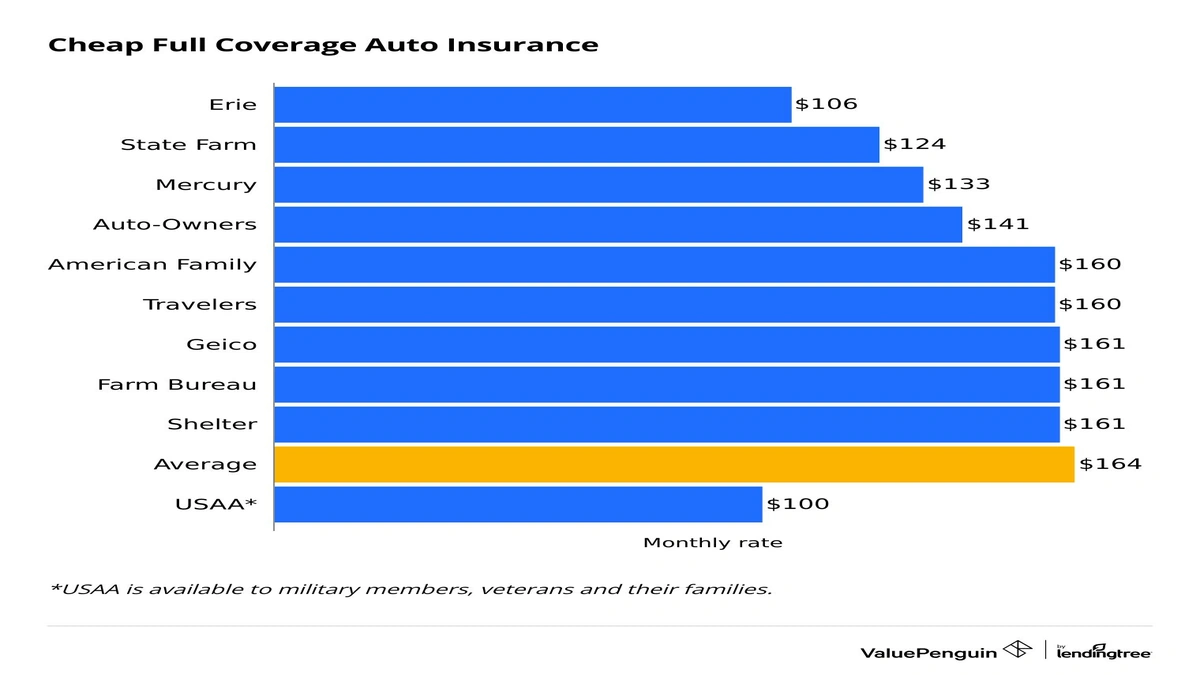
Let’s be honest, the idea of getting full coverage car insurance under $100 in the USA often sounds like searching for a unicorn. It’s the dream, isn’t it? Comprehensive protection for your prized possession without breaking the bank. Many people I talk to, especially those just starting their insurance journey or looking to cut costs, approach this with a healthy dose of skepticism. And rightly so!
The truth is, while challenging, it’s not entirely impossible. It requires a strategic approach, a bit of savvy, and a clear understanding of what ‘full coverage’ actually means in the wild world of auto insurance. My goal here isn’t just to tell you if it’s possible, but to guide you, step-by-step, on how to stack the odds in your favor. Think of me as your personal insurance detective, sifting through the fine print so you don’t have to. We’re going to dive deep into the tactics that can genuinely bring those monthly premiums down, perhaps even into that elusive sub-$100 bracket.
Decoding “Full Coverage” | What Are We Really Talking About?
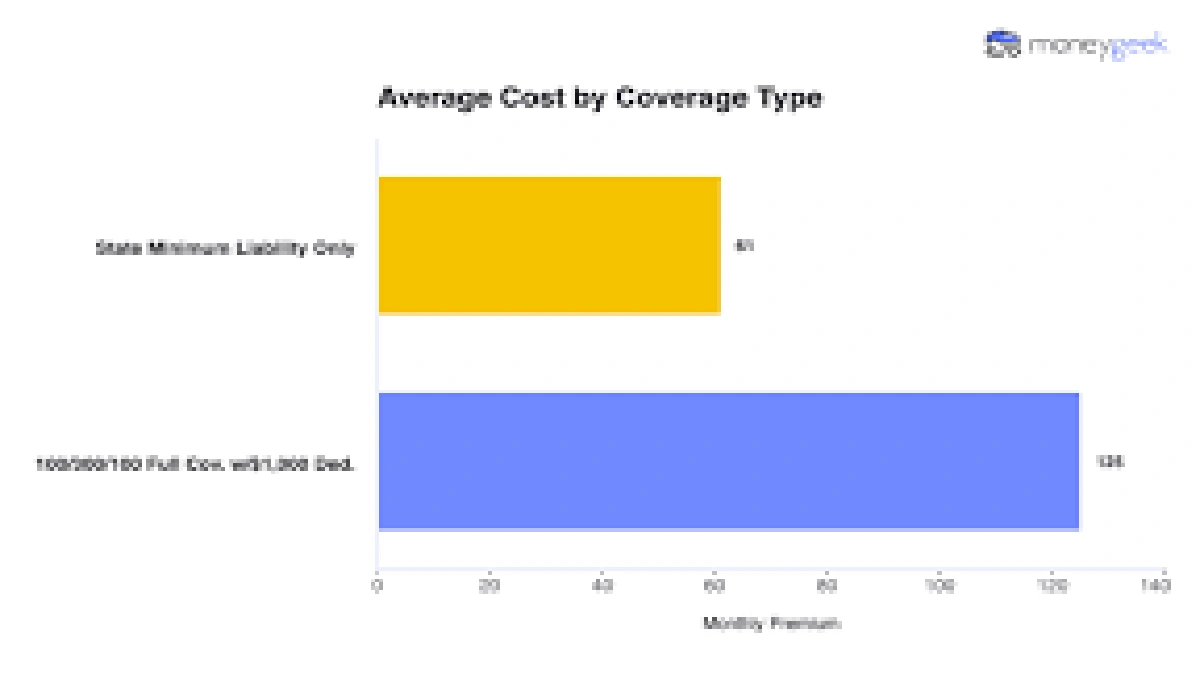
Before we even start talking numbers, we need to clarify our terms. When people say ” full coverage car insurance ,” they’re usually referring to a policy that includes more than just the state-mandated minimum liability. In most states, basic liability insurance covers damages or injuries you cause to other people and their property. That’s it. If you hit a tree, or someone steals your car, basic liability won’t do a thing for you.
True affordable full coverage , in common parlance, typically bundles three key components:
- Collision Coverage: This pays for damage to your own vehicle resulting from a collision with another car or object, regardless of who is at fault.
- Comprehensive Coverage: This covers non-collision events like theft, vandalism, fire, natural disasters (hail, floods), and hitting an animal.
- Liability Coverage: This is the mandatory stuff – bodily injury and property damage liability that protects you financially if you’re at fault in an accident.
Sometimes, people also include things like uninsured/underinsured motorist coverage, medical payments, or personal injury protection (PIP) in their definition of “full coverage.” For our purposes, we’re focusing on collision, comprehensive, and robust liability. Understanding this distinction between minimum vs full coverage is your first step to intelligent shopping. For a deeper dive into what full coverage typically entails, you might find resources likeInvestopediaquite helpful.
The Secret Sauce | How to Actually Find Affordable Full Coverage
This is where the rubber meets the road. Finding full coverage car insurance under $100 USA isn’t about magic; it’s about strategy. Here’s how I’ve seen people successfully navigate the maze:
Shop Around, Relentlessly Compare
This is, without a doubt, the single most impactful thing you can do. Never, ever settle for the first quote you receive. Insurance companies use complex algorithms to assess risk, and each company weighs factors differently. What one insurer sees as a high risk, another might view as moderate. I’ve seen premiums vary by hundreds of dollars for the exact same coverage from different providers. Utilize online tools for car insurance quotes comparison , but also consider talking to an independent agent who can shop multiple carriers for you. It’s tedious, yes, but it’s the most effective way to unearth genuine savings. Just as you wouldn’t compromise on yourfamily health insurance plans, your car deserves proper protection, and finding the right provider is key.
Harnessing the Power of Discounts
Discounts are your best friends in the quest for lower premiums. Many people overlook the sheer number of insurance discounts available. Are you a good student? Do you have multiple policies (home and auto) with the same company? Are you a veteran? Do you drive a low-mileage car? Have you taken a defensive driving course? The list goes on. Always ask your agent about every single discount they offer. Bundling policies is a massive one, often saving you 10-25% on your total premium. Even things like paying your premium in full upfront can get you a discount.
Adjusting Your Deductibles Wisely
Your deductible is the amount you pay out-of-pocket before your insurance kicks in. Generally, a higher deductible means a lower premium. If you can comfortably afford a $1,000 or $1,500 deductible in the event of an accident, your monthly payments could drop significantly. This is one of the most direct ways to impact your monthly cost, but it requires careful consideration of your emergency fund. Don’t set it so high that you can’t afford it if disaster strikes.
Embrace Modern Driving Habits & Technology
Many insurers now offer programs that track your driving behavior (telematics) in exchange for discounts. This is often called usage-based insurance . If you’re a safe driver – you don’t speed, brake harshly, or drive late at night – these programs can shave a considerable amount off your premium. Yes, it means sharing your driving data, which isn’t for everyone, but if you’re serious about lowering costs, it’s a powerful tool. And just like businesses needprofessional indemnity insurance businessto safeguard against unforeseen liabilities, car owners need robust auto coverage, and smart driving is a form of self-protection.
Consider Your Vehicle Choice
The type of car you drive is a huge factor. Sports cars, luxury vehicles, and cars with high theft rates are inherently more expensive to insure. Older, safer, and less powerful cars generally cost less. This is one of the key factors affecting car insurance . If you’re in the market for a new (or new-to-you) vehicle, get insurance quotes before you buy. You might be surprised at how much difference the model and year make to your premium.
Reality Check | When $100 Might Be a Stretch
While the strategies above are potent, it’s important to manage expectations. Several factors affecting car insurance can make that sub-$100 full coverage elusive, especially in certain demographics or locations:
- Age & Experience: Young drivers (under 25) and new drivers often face significantly higher premiums due to perceived higher risk.
- Location: Living in a dense urban area with high accident or theft rates will almost always mean higher insurance costs than in a rural area.
- Driving Record: Accidents, speeding tickets, or DUIs will drastically increase your rates, sometimes for several years. There’s no escaping the impact of a checkered past behind the wheel.
- Credit Score: In many states, your credit-based insurance score plays a role. A lower score can lead to higher premiums, as insurers correlate it with a higher likelihood of filing claims.
If you fall into one of these higher-risk categories, achieving that under-$100 mark for comprehensive full coverage might be a significant challenge. But don’t despair! The goal then shifts to getting the most affordable full coverage possible for your specific situation, applying all the strategies we’ve discussed.
Beyond the Price Tag | What to Look For in a Policy
Getting a cheap policy is great, but not at the expense of quality. What good is a low premium if the company is impossible to deal with during a claim? Always consider:
- Customer Service Reputation: Check online reviews, JD Power ratings, and consumer reports. How easy is it to get in touch with them?
- Claims Process: Is their claims process straightforward and efficient? This is where your insurance truly proves its worth.
- Financial Stability: Look for insurers with strong financial ratings (e.g., A.M. Best). You want to be sure they can pay out if you need them to.
A few extra dollars a month might be worth it for peace of mind and reliable support when you need it most. After all, the point of insurance is protection, not just a low bill.
Frequently Asked Questions About Affordable Car Insurance
Is it truly possible to get full coverage for under $100 a month?
Yes, for many drivers, it is entirely possible, especially if you have a clean driving record, a good credit score, live in a lower-risk area, and actively shop around for car insurance quotes . However, it requires diligence and leveraging every discount available.
What’s the biggest factor in getting cheap full coverage?
Hands down, shopping around and comparing quotes from multiple providers is the most impactful step. Different companies offer vastly different rates for the same coverage, making car insurance quotes comparison crucial.
Should I raise my deductible to lower my premium?
It can be a very effective strategy, but only if you have an emergency fund sufficient to cover the higher deductible if you need to file a claim. Don’t compromise your financial stability for a lower monthly payment.
Do I really need full coverage, or is minimum coverage enough?
If you own your car outright and can afford to repair or replace it yourself after an accident or theft, minimum coverage might suffice. However, if you have a loan or lease, full coverage is usually required. Beyond that, it provides crucial financial protection against unexpected costs, making it a wise investment for most drivers.
How often should I compare car insurance quotes?
I recommend comparing quotes at least once a year, or whenever you experience a major life event like moving, buying a new car, getting married, or if your driving record improves (e.g., a ticket falls off your record). Insurance rates are dynamic, and loyalty doesn’t always pay.
Are there specific states where full coverage under $100 is easier to find?
Yes, states with lower average insurance rates, often due to fewer accidents, lower population density, or less stringent state requirements, tend to make it easier. States like Ohio, Idaho, and Maine often have lower average premiums compared to, say, Michigan or Florida.
Final Thoughts | Your Road to Savings Starts Now
The quest for full coverage car insurance under $100 USA is less about finding a mythical creature and more about smart decision-making and persistent effort. It’s about being an informed consumer, understanding the nuances of your policy, and knowing your worth as a driver. Don’t let the initial sticker shock deter you. Take the time, do the research, ask the right questions, and leverage every tool at your disposal. You might just find that elusive unicorn is closer than you think, ready to protect your ride without emptying your wallet. Now, go forth and start comparing those quotes!